Notorious criminal Tony 'King Scum' Felloni died after collapsing while on a toilet, inquest hears
April 30, 2026
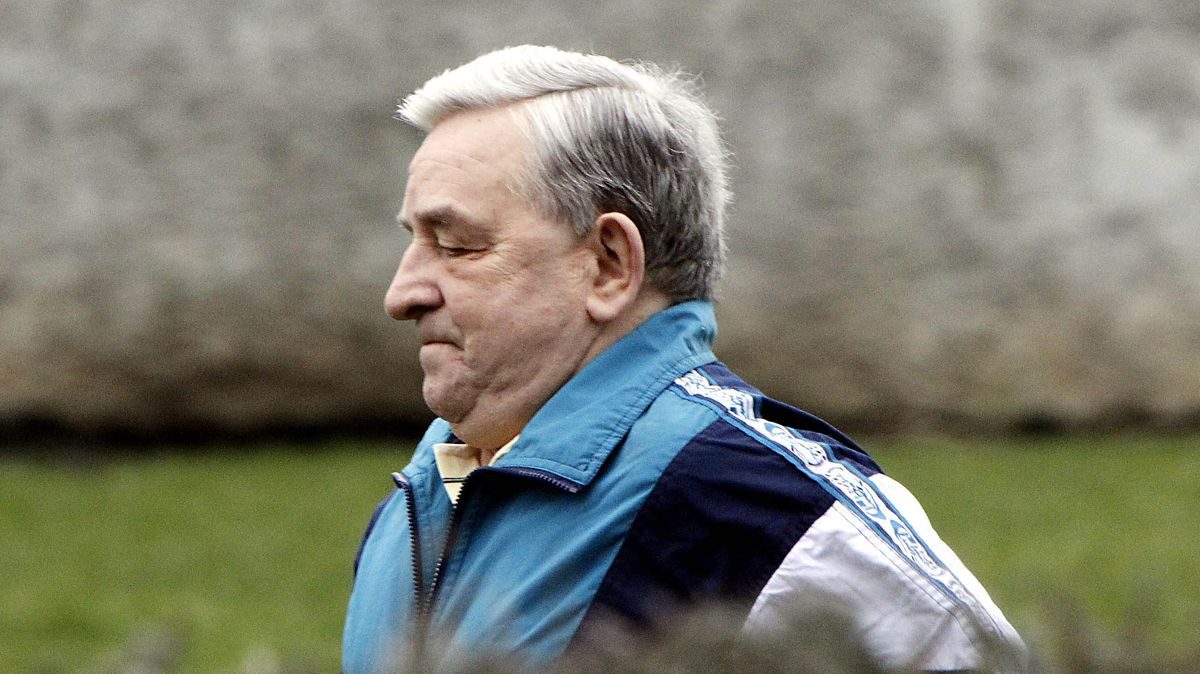
Coroner records verdict in case of Dublin criminal regarded as key figure in Dublin's heroin epidemic in 1980s
One of the most notorious criminal figures in Dublin’s illegal drug trade , Tony Felloni, died after suddenly collapsing while on a toilet in a rehabilitation facility two years ago, an inquest has heard. Felloni (81), a divorced father of seven with an address at Drumcondra Road, Dublin 9 with the nickname “King Scum,” was pronounced dead at the Mater Misericordiae University Hospital on April 22, 2024. He had been transferred to the hospital’s emergency department by ambulance after becoming unresponsive in Clontarf Hospital where he was recovering from several broken ribs following a fall at home. A sitting of Dublin District Coroner’s Court on Thursday heard the deceased had suffered a series of falls in the months before his death. The result of a postmortem showed he died as a result of hypovolemic shock after suffering a loss of two litres of blood from an injury to his spleen. A pathologist who carried out a post mortem on the deceased’s body, Eamon Leen, gave evidence that he believed the injury to Felloni’s spleen had been caused by a fall. Prof Leen said a normally healthy young adult would struggle to cope with such a loss of blood. In reply to questions from coroner Clare Keane about what triggered the fatal injury, he said “something dramatic and acute happened in the hours before his death.” While he originally believed that Felloni had suffered a fall, Prof Keane accepted that it was possible that the injury to his spleen could have been triggered by “a minor trauma” such as hitting against something given Felloni’s underlying health conditions. The pathologist observed that a spleen is essentially “a bag of blood,” while also noting that the deceased was on blood thinning medication at the time. The inquest heard he also suffered from heart disease, arthritis, osteoporosis and chronic obstructive pulmonary disease. A consultant geriatrician at the Mater, Colin Mason, gave evidence of the care provided to Felloni after his admission to the hospital on March 30, 2024 following a fall at his home. Dr Mason said the deceased had been suffering multiple falls including four in the previous month. He said tests confirmed that Felloni had suffered three broken ribs and a fracture of his lumbar spine The inquest heard a healthcare assistant in the Mater had also found the patient on his knees in the hospital after his legs gave away on April 2, 2024. However, Dr Mason said there was no evidence that Felloni had suffered any new injury in the fall. The inquest heard he was transferred to Clontarf Hospital for rehabilitation care on April 6, 2024. Another consultant geriatrician, Lucy Chapman, said Felloni’s mobility had improved during his stay and he was due to be discharged on April 24, 2024 once increased home care provision had been arranged. Dr Chapman gave evidence of how tests were carried out to ensure that Felloni would be able to get up and down stairs in order to be allowed to go home. She recalled that he had been allowed to leave the hospital on April 19, 2024 with a friend to attend to a financial matter after he had declined the offer of being accompanied by a care assistant. A nurse at Clontarf Hospital, Geroge Reyes, gave evidence of wheeling the patient on a commode into a toilet at around 5.45am on April 22, 2024 after he had complained of being unwell and feeling nauseous. Mr Reyes said Felloni was “pale, cold and clammy with slurred speech” before he lost consciousness. Evidence was heard that efforts to resuscitate the patient were unsuccessful. In reply to questions from counsel for the State Claims Agency, Brian Sugrue BL, Mr Reyes said Felloni had not suffered any fall under his care. The inquest heard the deceased’s body was formally identified to gardaí by his daughter, Regina. Ms Felloni, who had remained close to her father, was expected to attend his inquest but did not show up at the hearing. Recording a verdict of accidental death, Dr Keane noted the deceased had suffered six falls in a period of around a month before his death. The coroner observed that the rib fractures were on the same side of the body as the spleen. Dr Keane said she was satisfied that the fatal injury was the result of a fall at home, noting there was evidence that he had hit off a chair during the fall which resulted in his hospitalisation. Felloni was regarded as one of the key figures for the heroin epidemic which ravished poor inner city communities in Dublin during the 1980s and he was blamed for creating the first generation of heroin addicts in the capital. to sign up to our Crime Ireland newsletter, and get an authored newsletter from Michael O'Toole and Paul Healy direct to your inbox once a week.
Source: www.irishmirror.ie