NHS GP Dr Amir Khan shares 5 natural ways to lower your blood pressure
April 30, 2026
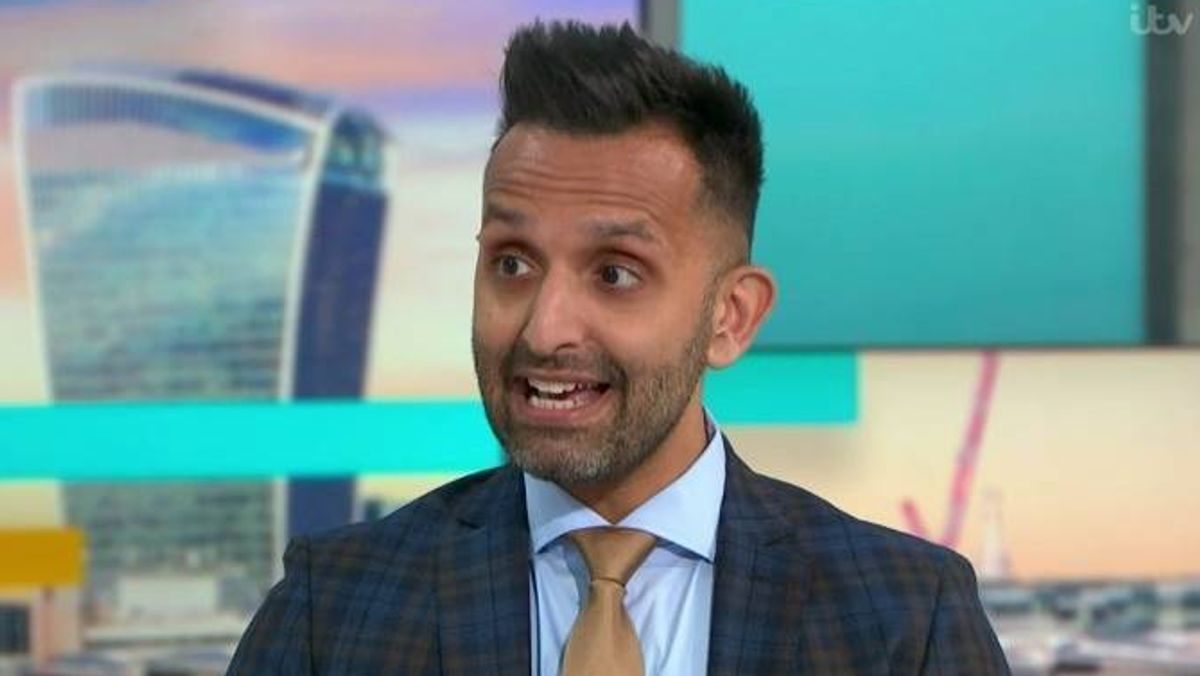
Around 14.4 million people in the UK have high blood pressure, and NHS GP Dr Amir Khan has shared five natural ways to help lower your blood pressure to reduce risk of heart attacks and stroke
Dr Amir Khan shared five ways you can reduce your blood pressure naturally (Image: ITV)
Dr Amir Khan has revealed five measures you can take to naturally reduce your blood pressure. According to the British Heart Foundation , approximately 14.4 million people across the UK are affected by high blood pressure , the equivalent of one in three adults. However, only about nine million have received an official diagnosis from their GP.
To assist people in preventing the condition, or simply aid those looking to lower their high blood pressure, NHS GP Dr Amir Khan, a frequently face on ITV's Lorraine and GMB , has outlined five lifestyle changes you can adopt to maintain healthy blood pressure levels. "Let's talk about five natural ways to lower your blood pressure," he said at the start of his social media video.
"Now, blood pressure is the force of your blood against the walls of your arteries." He went on to explain: "There are two numbers [when testing your blood pressure]. The top one is the force of the blood as your heart squeezes to pump blood around your body, and the lower number is the force of the blood as the heart relaxes between beats."
"Now, if you're on medication for your blood pressure, it's important that you take it as prescribed. But here are some additional things that you can do to help keep your blood pressure at healthy levels."
He proceeded to detail and clarify five actions you can implement to maintain your blood pressure within a healthy range.
"Number one, eat less salt," he said. "Now, if you don't have high blood pressure, then there's still a debate about how much salt will affect you. But if you do have high blood pressure, listen up."
Dr Khan continued: "Adults should only have around six grams or one level teaspoon of salt per day. And most of that is already hidden in the food that we eat." Excessive salt intake is a leading cause of high blood pressure, as it disrupts the body's sodium balance, causing water retention and increased blood volume, which strains blood vessels.
"So, try not to add salt to your food," he added. "Instead, season it with things like pepper, herbs, and spices. And if you're buying tinned food, go for it in water rather than salty brine. And with nuts, always go for unsalted nuts."
"Number two, eat more potassium-rich foods," Dr Khan advised before detailing: "Potassium helps lower blood pressure by helping kidneys get rid of that excess sodium or salt in your blood. Food that naturally contains potassium includes bananas, tomatoes, carrots, kiwi, nectarines, and spinach. If you have kidney disease, however, just be really careful with potassium."
Potassium helps lower high blood pressure by easing tension in blood vessel walls and increasing sodium excretion through urine. A daily intake of 3,500–5,000 mg of potassium is recommended to manage blood pressure. High potassium intake significantly reduces stroke risk, but people with kidney disease should consult a doctor before increasing intake, according to the British Heart Foundation.
"Number three, get moving," he urged. "Regular movement keeps your blood vessels flexible as they have to expand and contract and encourage blood flow around your body. Find something you enjoy doing and do it regularly."
The NHS recommends to do at least 150 minutes of exercise a week. This could include brisk walking, cycling, swimming, dancing, and gardening , according to the NHS, and should ideally be done in 30-minute sessions five days a week.
Addressing the fourth item on his list, Dr Khan said: "Number four, stop smoking and limit alcohol use. Smoking can affect the health of your blood vessels, which causes high blood pressure, and alcohol is really strongly linked to high blood pressure too."
Smoking raises heart rate and blood pressure for 15–30 minutes per cigarette, while heavy or binge drinking causes both immediate spikes and long-term elevation in pressure, according to the NHS.
"And number five, achieve a healthy weight," he said. "I know this is hard and it's really complex but additional weight, especially around the middle area, has been linked to high blood pressure. These additional fat cells can release hormones that increase blood pressure.
"So follow the steps I outlined already to achieve good health alongside a healthy weight," he concluded in the video.
For those concerned about high blood pressure or who feel they may be at risk, the NHS advises booking an appointment with your GP. Alternatively, you can request a blood pressure check at your local pharmacy.
Source: www.mirror.co.uk