Why human exhaustion is a far greater cybersecurity threat than complex computer code
March 27, 2026
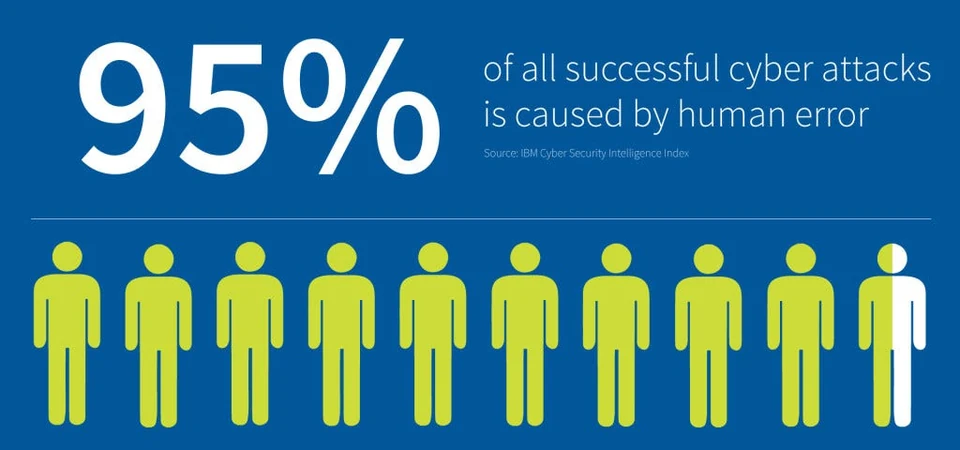
Popular culture has painted a highly specific, enduring portrait of a cyberattack. We often imagine lines of green code scrolling across dark monitors, brilliant but malicious hackers brute-forcing complex algorithms, and intense digital battles between advanced artificial intelligences. The reality of modern cyber warfare is far less cinematic and vastly more mundane. The most devastating breaches in recent history did not rely on uncrackable software vulnerabilities or genius-level coding. Instead, they succeeded because an exhausted human being at a desk simply clicked on an email attachment masquerading as a routine invoice. The greatest threat to global digital security is not an intricate algorithm, but rather human psychology and the chronic underfunding of civic institutions.
The shift from technical exploits to social engineering has fundamentally reordered the landscape of digital threats. For years, the global cybersecurity industry has focused heavily on building higher firewalls and deploying sophisticated antivirus software. Yet, data from the IBM Cost of a Data Breach Report consistently reveals that stolen or compromised credentials, alongside phishing schemes, remain the most common initial attack vectors. In the United States, the Cybersecurity and Infrastructure Security Agency has repeatedly warned that ransomware actors are largely bypassing advanced defenses to target the weakest, most human links. We saw this manifest clearly in 2018 when the city of Atlanta was brought to a standstill. Hackers did not deploy an unthinkably complex digital weapon; they used a known ransomware strain called SamSam to exploit weak passwords and outward-facing servers. The attack crippled municipal services, forcing city employees to write reports by hand and plunging the local court system into chaos, ultimately costing taxpayers millions of dollars to remediate.
The underlying cause of this vulnerability lies in a dangerous disconnect between the tools societies use and the people tasked with maintaining them. Across the world, critical infrastructure is increasingly managed by local governments, regional healthcare networks, and public school districts. These organizations are deeply woven into the fabric of daily life, yet they operate on shoestring budgets with outdated legacy systems. While international banks and multinational technology conglomerates can afford armies of security analysts to monitor network traffic around the clock, a county water treatment facility or a regional hospital simply cannot. Furthermore, there is the undeniable element of human fatigue. Employees in these public sectors are routinely asked to do more with less, processing hundreds of emails and digital requests daily. When cybercriminals leverage artificial intelligence to craft flawlessly written, highly personalized phishing emails that mimic the tone of a trusted supervisor or vendor, a tired worker at the end of a long shift is naturally susceptible. It is a failure of environment, not of individual intelligence.
The consequences of this structural vulnerability extend far beyond locked computer screens and extorted cryptocurrency. When civic and health networks fail, the fallout is tangible, physical, and deeply alarming. In 2022, the government of Costa Rica declared a state of national emergency after a relentless wave of ransomware attacks crippled its finance ministry, halted international trade at the borders, and severely disrupted the national healthcare system. Citizens could not receive timely medical diagnoses, and export businesses suffered catastrophic losses as goods rotted in warehouses. Similarly, in the United States, ransomware attacks on healthcare networks have routinely forced hospitals to divert ambulances from emergency rooms and delay life-saving surgeries. When patient records are suddenly encrypted and inaccessible, doctors are forced to operate blind, fundamentally compromising patient safety. The digital realm has bled completely into the physical world, meaning a cyberattack on a local hospital is no longer just a data breach, but a direct threat to public health and human life.
Reversing this dangerous trend requires a profound shift in how societies approach digital defense. Governments and institutions must stop treating cybersecurity merely as an information technology expense and begin viewing it as a core pillar of public safety. This begins with a paradigm shift toward what industry experts call a zero-trust architecture, a framework that assumes threats already exist within the network and requires continuous verification for any user trying to access sensitive data. However, technological frameworks alone are insufficient. The most effective defense must center on human resilience. Municipalities and healthcare providers need robust, continuous funding from federal or national governments specifically earmarked for cybersecurity training and system modernization. Rather than subjecting employees to tedious, once-a-year compliance videos, organizations must cultivate a culture of security where workers feel empowered to verify suspicious requests without fear of reprimand for slowing down operations. Furthermore, international cooperation is essential to track and dismantle the financial networks that allow ransomware syndicates to launder their extorted funds with impunity.
For too long, the public conversation surrounding digital defense has been obscured by technical jargon and a misplaced focus on the technological elite. We have built digital fortresses equipped with the finest alarms, only to leave the front door wide open because we forgot to support the people holding the keys. As daily life becomes entirely inseparable from the networks that manage our water, our health, and our economies, the stakes are simply too high to ignore the human element of digital defense. A secure future will not be guaranteed by simply writing better software. It will be secured by acknowledging that our digital infrastructure is only as resilient as the human institutions and the exhausted employees tasked with maintaining it. The true battleground of modern cybersecurity is not located on a distant server, but in the everyday routines of the people who keep society functioning.