Antarctica’s Sea Ice Crash Is Rewriting Climate Risk Far Beyond the South Pole
April 1, 2026
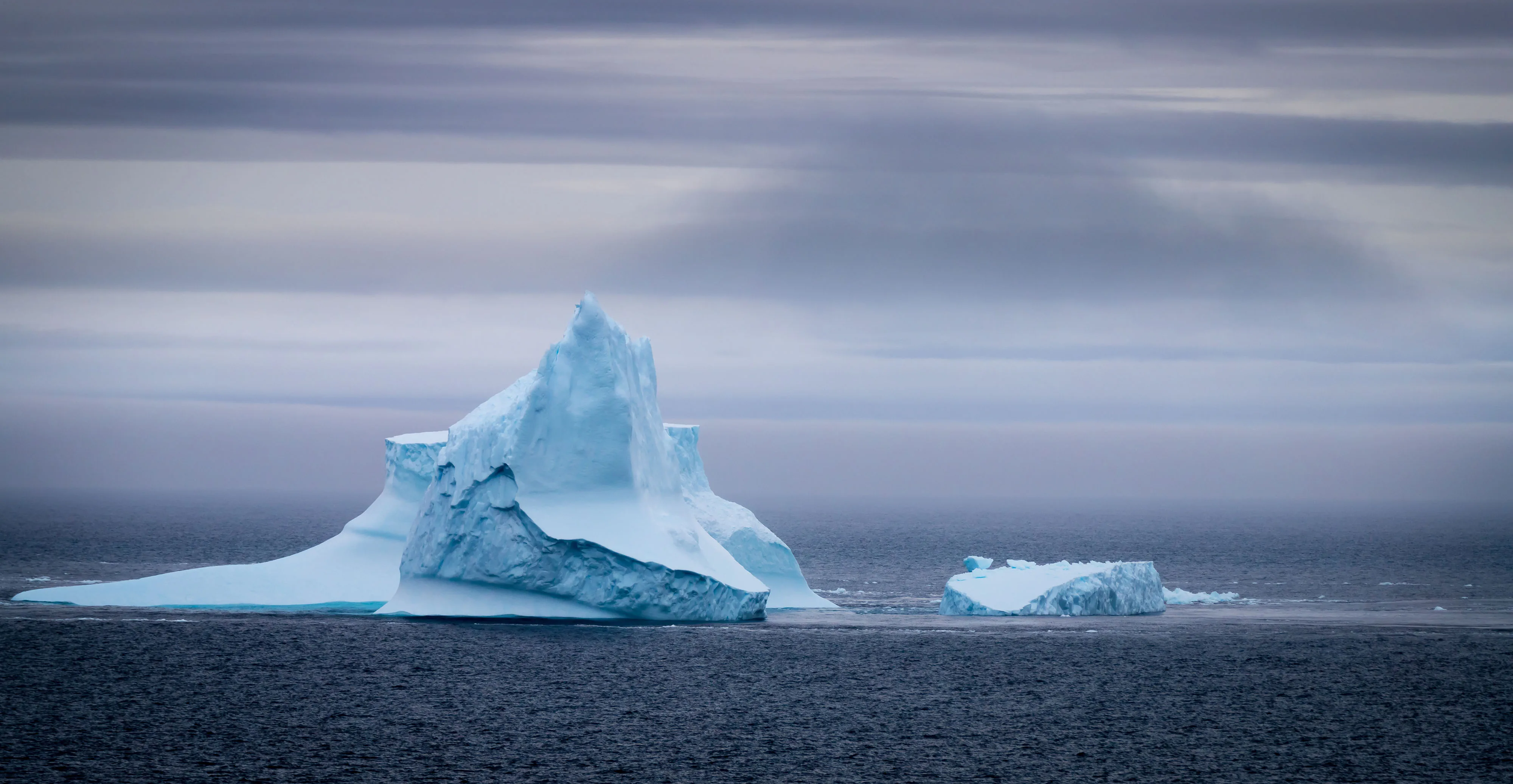
For years, Antarctica seemed to defy the climate story people thought they knew. While Arctic sea ice was shrinking fast, Antarctic sea ice looked more variable and, at times, even slightly stable. That older picture helped feed a false sense that the frozen south was somehow insulated from global warming. It was not. In the last few years, Antarctica has delivered a sharp correction. Sea ice around the continent has fallen to record or near-record lows, and scientists now say the change is too large, too sudden, and too important to dismiss as normal fluctuation.
The numbers are striking. In 2023, Antarctic sea ice hit record lows in the satellite era, which stretches back to the late 1970s. Data from the U.S. National Snow and Ice Data Center showed winter sea ice extent far below previous averages, with missing ice over an area measured in the millions of square kilometers. The deficit did not stay limited to a single season. Through 2024, low ice conditions persisted in many regions, raising concern that the Antarctic system may be entering a more unstable phase. Researchers who once treated the south as a place of large year-to-year swings are now asking whether a deeper shift is underway.
That matters because sea ice is not just frozen water floating on the ocean. It acts like a shield. Bright white ice reflects sunlight back into space. Open dark water absorbs more heat. Ice also helps regulate the exchange of heat, moisture, and gases between the ocean and the atmosphere. When that protective layer shrinks, the ocean can warm faster, storms can behave differently, and ecosystems built around the annual freeze can start to break down.
The causes are complex, but they are not mysterious. The Southern Ocean has absorbed vast amounts of the excess heat trapped by greenhouse gases. Human-driven warming has loaded the system with energy, even if that energy does not always show up as dramatic surface warming at every moment. Shifts in winds, ocean currents, and regional weather patterns can then push the system toward sudden losses. In Antarctica, that means sea ice can decline quickly when warmer ocean water rises, when storms break up fragile ice, or when unusual wind patterns spread it thin and expose more water.
Scientists have also pointed to the role of warmer deep water attacking ice shelves from below. Ice shelves are different from sea ice, but the systems are connected. When floating ice shelves thin, glaciers behind them can move faster into the sea. Research from the British Antarctic Survey, NASA, and other institutions has shown that parts of West Antarctica are especially vulnerable to ocean warming. The Thwaites Glacier, often called the “doomsday glacier” in headlines, is one of the best-known examples, though that nickname can oversimplify a slower but serious process. The real risk is not a single dramatic collapse tomorrow. It is the steady weakening of a region that helps hold back enough land ice to raise global sea levels over time.
Sea ice loss also brings more immediate consequences. In Antarctica itself, wildlife faces a direct shock. Emperor penguins depend on stable sea ice for breeding. In recent years, satellite analysis and field observations have linked very low sea ice conditions in parts of the continent to major breeding failures. In some colonies in the Bellingshausen Sea region, chicks were lost when sea ice broke up before they had developed waterproof feathers. Krill, a small crustacean at the base of the Southern Ocean food web, also depends in part on sea ice conditions. When sea ice changes, penguins, seals, whales, and seabirds can all feel the effects.
The disruption does not stay in Antarctica. The Southern Ocean plays a major role in the global climate system. It stores heat and takes up a large share of human-produced carbon dioxide. If that system changes, the effects can ripple outward. Scientists are studying whether weaker sea ice and changing ocean layers could reduce the ocean’s ability to absorb heat and carbon over time. If that happens, more warming could remain in the atmosphere, making global climate goals even harder to reach.
There is also a sea-level story that connects Antarctica directly to coastal life everywhere. Sea ice melting does not raise sea levels the way land ice does. But the same warming ocean that reduces sea ice can destabilize glaciers and ice shelves on the continent. The Intergovernmental Panel on Climate Change has warned that Antarctic ice sheet loss is one of the biggest long-term uncertainties in sea-level rise projections. That uncertainty should not comfort anyone. It means the upper end of future rise could be much worse if Antarctica changes faster than expected. For coastal cities, island states, ports, and low-lying river deltas, that is not a remote scientific concern. It is a planning problem with real costs.
In countries from Bangladesh to the United States, sea-level rise already worsens flooding during storms and high tides. In places like Miami, Jakarta, and parts of the Nile Delta, even modest increases in sea level are making drainage, housing, insurance, and public works harder to manage. Antarctica is not the only driver of that trend, but it is one of the largest long-term wild cards. A continent most people will never see is quietly shaping the future of streets, schools, freshwater supplies, and local budgets thousands of miles away.
What should be done is both obvious and difficult. First, emissions still matter most. The broad direction of Antarctic risk is tied to the amount of warming humanity allows. Every fraction of a degree matters. The Paris Agreement goal of limiting warming to well below 2 degrees Celsius, and ideally 1.5 degrees, was never just about heat waves in one region. It was also about reducing the chance of crossing thresholds in places like Antarctica that are slow to change until suddenly they are not.
Second, governments need to invest more in polar science, satellites, ocean monitoring, and long-term observation. Antarctica is hard to study, and that makes it easy to underestimate. Better data will not stop the warming, but it can improve forecasts for sea level, fisheries, storms, and ecosystems. It can also help policymakers prepare before risks become disasters.
Third, adaptation has to be treated as a present-tense need, not a future luxury. Coastal defenses, wetland restoration, better building rules, and realistic retreat planning will all be needed in some places. The earlier cities start, the cheaper and fairer those choices tend to be. Waiting for perfect certainty from Antarctica is not a serious option.
The old idea of Antarctica as a frozen, faraway backdrop is breaking down. What is happening there is not a side note to climate change. It is part of the main story. The continent’s sea ice crash is a warning that some of Earth’s biggest systems can change faster than public debate is prepared to admit. Distance does not reduce danger. In the climate era, the South Pole is closer to everyday life than it looks.