The Ecological Scars of Armed Conflict Prolong Human Suffering Long After Peace Treaties Are Signed
March 27, 2026
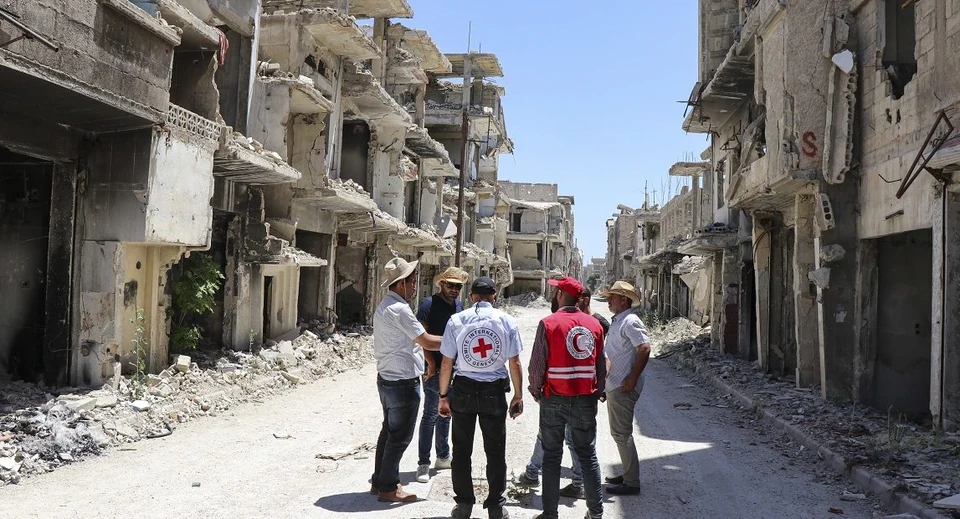
When the public imagines the devastating toll of war, the mind instantly summons images of shattered buildings, displaced families fleeing across borders, and the tragic arithmetic of military and civilian casualties. It is a common misconception that the end of hostilities brings an end to the dying. We assume that once a peace treaty is signed and the artillery falls silent, a nation can simply begin the arduous process of rebuilding its economy and infrastructure. Yet, this traditional view ignores a far more insidious and enduring casualty of human conflict. The natural environment is consistently the most overlooked victim of war, suffering systemic destruction that poisons communities and prevents recovery for generations.
This ecological devastation is not merely an accidental byproduct of combat, but a deeply embedded reality of modern military strategy that fundamentally alters the habitability of a region. Long after the frontlines have dissolved and the political disputes have been settled, the toxic legacy of armed conflict continues to wage a silent war against the very populations those peace agreements were meant to protect.
A wealth of evidence demonstrates that environmental destruction during wartime has profound, quantifiable impacts. Assessments conducted by the United Nations Environment Programme have repeatedly documented how modern munitions and combat tactics leave behind heavily contaminated land and waterways. In the ongoing aftermath of conflicts in the Middle East, such as in Iraq, researchers have found that the deliberate burning of oil wells and the destruction of industrial facilities coated vast agricultural areas in heavy metals and carcinogenic soot. Similarly, agricultural analysts assessing the conflict in Ukraine have noted that millions of hectares of previously fertile soil are now laced with lead, depleted uranium, and chemical propellants from artillery shells. Data from the Stockholm International Peace Research Institute further corroborates that the environmental footprint of global military operations accounts for a massive, often untracked portion of global ecological degradation, cementing warfare as a leading driver of environmental collapse.
This contamination is not isolated to soil, as the essential networks that deliver clean water are frequently compromised during prolonged fighting. The International Committee of the Red Cross has continually highlighted how access to clean water becomes a weaponized commodity. In Yemen, years of sustained bombardment decimated water treatment facilities and regional irrigation networks, directly accelerating a severe cholera epidemic and leaving millions without safe drinking water. These are not isolated tragedies but predictable outcomes of a systemic pattern where the natural resources required to sustain human life are viewed as collateral damage, or worse, strategic targets.
The root causes of this widespread environmental devastation lie in the evolving nature of military strategy and the increasing industrialization of warfare. Historically, scorched-earth tactics were used to deny advancing armies food and shelter, but today, the destruction of environmental infrastructure is often utilized as a psychological and logistical weapon of attrition. Combatants routinely target energy grids, fuel depots, and water processing plants to cripple an adversary's economy and break the morale of the civilian population. Furthermore, the sheer volume of high-explosive ordnance used in contemporary conflicts introduces unprecedented amounts of synthetic chemicals into delicate ecosystems. The absence of strict, enforceable international regulations regarding environmental protection in combat zones allows military forces to prioritize short-term tactical advantages over long-term ecological viability, treating the landscape as a disposable theater of war rather than a fragile, life-sustaining system.
The consequences of this ecological warfare extend far beyond the immediate localized damage, setting the stage for enduring public health crises and renewed geopolitical instability. When heavy metals leach into groundwater and hazardous chemicals seep into agricultural land, the civilian population faces a secondary wave of casualties characterized by elevated rates of cancer, respiratory diseases, and congenital anomalies. Decades after the conclusion of the Vietnam War, the widespread use of military chemical defoliants continues to cause severe birth defects and maintain ecological dead zones, illustrating the permanent scars of chemical combat. Beyond public health, the degradation of the environment acts as a massive threat multiplier. As arable land turns toxic and water sources run dry, communities are forced into desperate migrations, sparking new tensions over dwindling resources. This creates a tragic feedback loop where the environmental destruction caused by one conflict directly sows the seeds of resource scarcity that inevitably leads to the next.
Addressing this silent crisis requires a fundamental shift in how the international community governs armed conflict and approaches post-war recovery. Legal scholars and environmental advocates have increasingly called for the formal recognition of ecocide as an international crime, an initiative which would hold military and political leaders accountable for widespread, severe, and long-term damage to the environment. Additionally, existing frameworks, such as the environmental protection clauses within the Geneva Conventions, must be strengthened and rigorously enforced rather than treated as optional guidelines. On a practical level, peacebuilding and reconstruction efforts must prioritize environmental remediation alongside the rebuilding of roads and hospitals. International development organizations, such as the World Bank, along with global peacekeeping missions, must mandate that soil decontamination, water purification, and the safe disposal of toxic military remnants are fully integrated into post-conflict recovery funding.
Ultimately, the international community can no longer afford to view environmental preservation as a luxury of peacetime. The evidence unequivocally shows that the health of a nation's environment is intrinsically tied to the survival and stability of its people. Rebuilding a shattered city means very little if the water flowing through its pipes is toxic and the soil surrounding it cannot yield safe harvests. Acknowledging the environment as a central victim of war forces us to confront the true, terrifying cost of armed conflict. True peace is not simply the absence of gunfire, but the restoration of a world where communities can safely plant their roots and thrive. Until the ecological scars of warfare are treated with the same urgency as the political ones, the devastating toll of conflict will quietly continue to claim generations yet to be born.